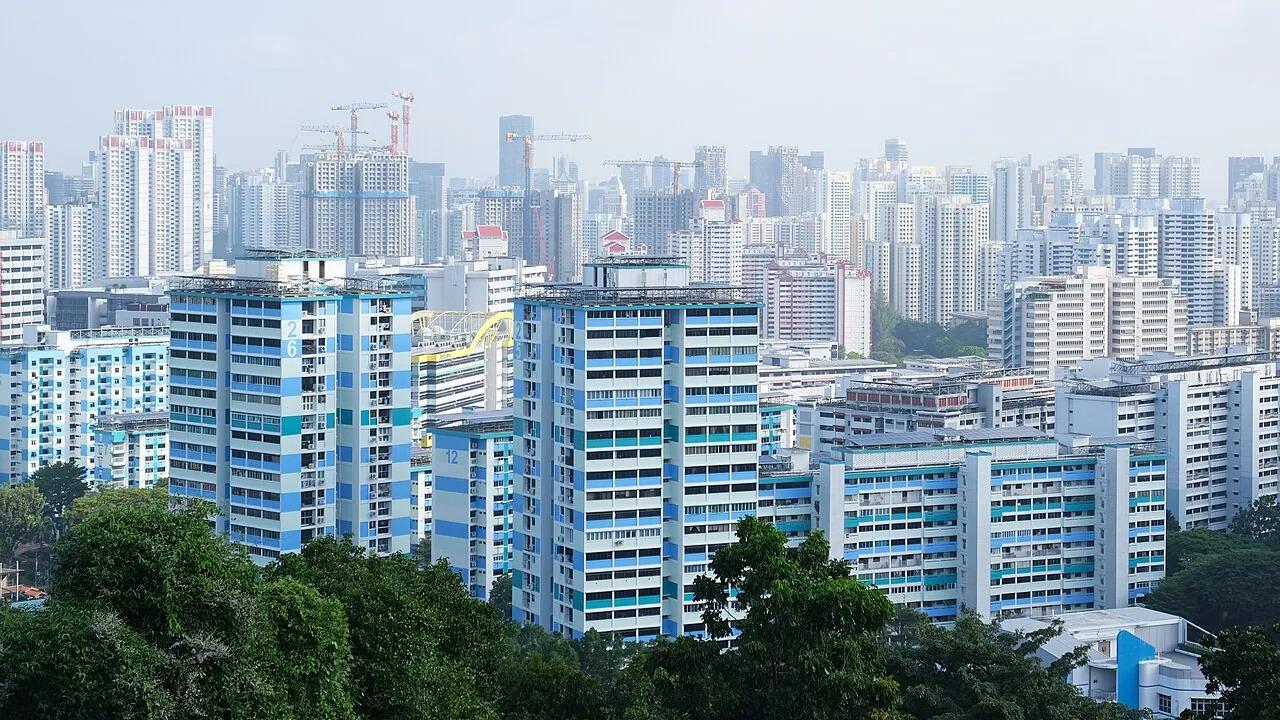
After months of viewing homes, your budget keeps rising, but choosing gets harder.
HDB or condominium? New launch or resale? You worry about overpaying, yet also about waiting indefinitely.
The hardest part of a first purchase is deciding which choice fits your life over the next five to ten years.
As an adviser, I focus on three questions: can you afford it, will it work well as a home, and will you still have choices when you need to move?
That is the starting point of KFD’s approach: understand the data and choose assets that fit. Evidence should help a household make a decision, rather than rush anyone into a purchase.
01Are you buying a home for today, or a life for the next five to ten years?
A home that comfortably fits two people may feel very different after a child arrives or parents move in to help. Being close to the office today may matter less after a job change.
Before viewing, divide your needs into three groups:
- Must-haves: your monthly housing limit, number of bedrooms and acceptable commute.
- Acceptable compromises: floor level, views or renovation style.
- Possible changes: children, parents living with you, a different workplace or school needs.
Plan for changes that are reasonably clear. You do not need to pay upfront for every distant possibility. An extra bedroom has value, but so does the ability to keep saving and enjoy everyday life.
Imagine an ordinary weekday: who takes the child to school, who helps your parents, and what time does everyone get home? Those answers often tell you more than a showflat does.
02What price can you comfortably afford?
Your budget needs three layers.
First, the upfront funds. Allow for the downpayment, Buyer’s Stamp Duty, any applicable Additional Buyer’s Stamp Duty, legal fees, renovation and moving costs. List cash and CPF separately; the combined balance alone does not tell you what you can pay.
Second, the monthly commitment. After housing, how much remains for living costs, insurance, children, parents and savings? Include condominium maintenance fees, property tax and repairs.
Third, resilience. Could you continue holding the home if income fell, interest rates rose or family expenses increased, without having to rush a sale?
Hypothetical scenario: a household takes home S$10,000 a month. Mortgage payments and other housing costs use S$4,000; living expenses and family commitments use another S$4,000, leaving S$2,000. A loan approval does not prevent that budget becoming tight if one person stops working.
S$10,000 monthly take-home income
- Housing costsS$4,000
- Living & familyS$4,000
- Remaining bufferS$2,000
The amount a bank will lend and the amount your household can comfortably afford may be two different numbers. Debt-servicing rules, age and loan tenure also affect approval. Passing the assessment does not replace your own household budget.[1]
03HDB, EC or private condominium: which fits your circumstances?
Check eligibility before comparing homes. Being a first-time buyer does not make every housing category available.
| Housing type | Check first | Main trade-offs |
|---|---|---|
| HDB | Household profile, age, scheme, quotas and HFE eligibility | Space and location versus occupation and resale conditions |
| EC | New and resale rules differ; new ECs have citizenship, household and income conditions | Facilities and overall cost versus waiting time and resale restrictions |
| Private condominium | Financing, tax and existing property ownership | Location, facilities and transaction flexibility versus funding needs |
Households comprising only PRs cannot buy BTO flats or new ECs. Eligible PR families can consider resale HDB flats, subject to the relevant core family members meeting the PR-duration requirements. A single PR cannot buy an HDB flat alone simply under a singles scheme. For HDB, obtain an HFE letter to clarify purchase, grant and loan eligibility.[2][3]
Do not copy a friend’s tax budget. A citizen buying a first residential property generally pays no ABSD; a PR generally pays 5%. Joint purchases and spousal remissions require assessment of the actual buyer profiles. Buyer’s Stamp Duty must still be budgeted for.[4]
With the same budget, would you rather pay for more space, a better location, facilities or greater flexibility for your next move?
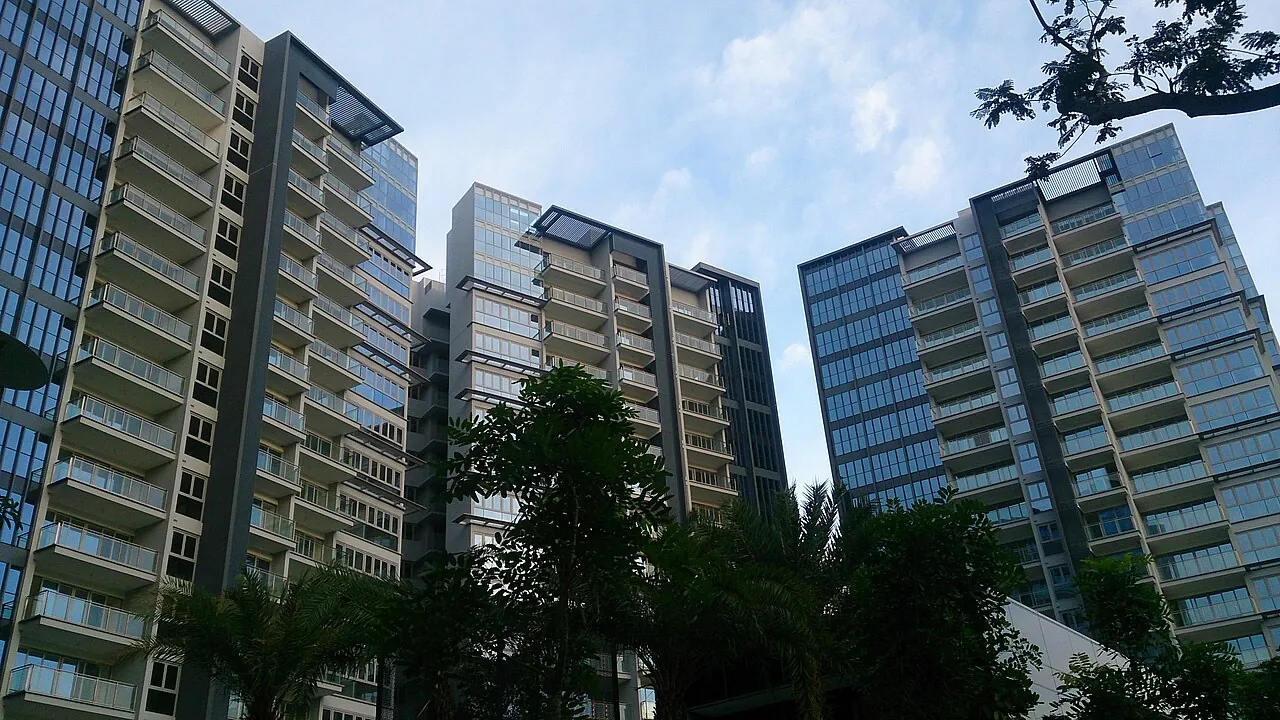
04New launch or resale: what are you paying for?
Comparing new launches and resale homes requires more than a total price or a price per square foot.
A lower new-launch price may come with a smaller unit. Check whether there is still useful space after fitting beds, wardrobes and a dining table.
A lower resale price per square foot needs to be considered alongside the remaining lease, renovation, building maintenance and condition of shared facilities. A cheaper purchase may not be cheaper to live in.
For a new launch, include rent, moving and living arrangements while waiting for completion. A resale home can be inspected in person, but your move-in date still depends on handover and renovation.
The maturity of the neighbourhood matters too. Existing transport and shops can be experienced today; planned amenities need their progress checked. A large number of similar homes completing nearby should also enter your competition analysis.
Price differences reflect different combinations of space, time and certainty. Decide which costs you are willing to carry.
05Think through your exit before you buy
Moving home is part of many families’ plans. Income, household size, social connections and lifestyles can all change.
Imagine that you need to move in the next four to eight years…
First, check whether you would be allowed to sell. HDB minimum occupation periods (MOPs) vary: Standard flats generally have a five-year MOP, while Plus and Prime flats have ten years. New EC projects whose land-sale tenders closed on or after 8 May 2026 have a ten-year MOP. Waiting for construction is additional time to consider. An early residential sale may also attract Seller’s Stamp Duty.[5][6][7]
Then answer two questions.
① Who will buy from you?
Would the next buyer be a young couple, a family with children or someone downsizing? What layout, size, transport and amenities would they need? What total price could they afford, and how many similar alternatives would compete with yours?
You may love a large terrace. That does not establish that the next buyer will pay the same premium. Personal preference and market willingness to pay need separate checks.
② What would upgrading mean after the sale?
It may mean more space, a better location, an easier daily routine or an asset arrangement that suits your family better.
How much would you need for the next downpayment, and what loan could you carry? Selling first may require temporary accommodation. Buying first can mean overlapping mortgage payments, tax obligations and deadlines for selling.
The sale price minus the outstanding loan is not all available cash. A sale generally requires a refund of CPF savings used and accrued interest. Those funds remain yours, but how much can go into the next home depends on the rules then applicable.[8]
- 01Check the next buyerLayout · transport · total priceCompare competing homes
- 02Map the sale proceedsLoan · costs · CPF refundSeparate cash from CPF
- 03Test the next purchaseSavings · income · new loanInclude taxes and upfront funds
- 04Connect the two movesSell first or buy first?Plan overlap or temporary housing
Your ability to upgrade depends on home equity, savings, income, transaction costs and future market conditions together. It cannot rest solely on rising prices. Your first home should preserve choices for the next stage of life.
06How do you choose an agent who helps you decide well?
Singapore has several public listing platforms, and the same home can appear through different channels. That does not mean every agent has an identical, complete database. Public information still needs verification.[9]
An agent’s value lies in screening, checking, comparing and exercising judgement, as well as arranging viewings, negotiating, managing the transaction and providing follow-up support and useful local connections.
I suggest three criteria.
① Expertise: how well do they know your target area?
Look beyond years in the business. Can they explain recent transactions, differences between developments, layout weaknesses, competing supply and the evidence behind a sensible price?
Ask directly: “With the same budget, which two or three other options in this area should we compare, and why?”
② Property and investment understanding: can they place this home in your family plan?
Do they explain trade-offs in light of your budget, holding period, family changes and next move? Do they volunteer risks, including reasons a particular home may be unsuitable?
Investment understanding includes funding and risk assessment. It cannot be reduced to predicting price increases.
③ Service: do they put your interests into practice?
Do they understand your needs before recommending homes, reduce unproductive viewings, respond promptly and verify problems proactively? Do they explain each step clearly and remain helpful after handover?
A good agent helps you decide with greater clarity, rather than simply decide faster.
07From Viewings to Keys: How Do the Process and Payments Work?
- ① Check eligibility and budget
- ② Shortlist and view
- ③ Agree price and terms
- ④ Sign and pay
- ⑤ Inspect and take over
| Step | What you need to do |
|---|---|
| ① Set your budget | Check eligibility, cash, CPF, taxes and financing. Obtain an HFE for HDB; consider an IPA for a bank loan. |
| ② Shortlist and view | Choose two or three homes based on budget, location and family needs. Compare transactions and property condition. |
| ③ Agree terms | Agree the price, handover date, tenancy and other conditions. Check funding and contractual deadlines before paying or signing. |
| ④ Sign and complete paperwork | Arrange the OTP or sale agreement, loan, CPF and stamp duties for the property type. HDB resale also requires a resale application. |
| ⑤ Inspect and collect keys | Inspect as agreed, complete handover, then coordinate renovation and moving. |
Obtain an HFE before buying HDB. For bank financing, an IPA can give an initial indication of borrowing capacity. Confirm loan, CPF and cash arrangements before committing. [2][12]
New launches and resale private homes have different payment timelines
This compares a private home under construction on a standard progressive payment plan with common private resale arrangements. The contract governs the actual payments. [10][11]
| Payment stage | New home under construction5% + 15% | Resale private home1% + 4% |
|---|---|---|
| Booking / obtaining the OTP | Usually a 5% cash booking fee | Usually a 1% cash option fee |
| Signing / exercising the OTP | Usually a further 15%, commonly within 8 weeks of the OTP date, subject to the contract | Usually a further 4% in cash; exercise within the OTP deadline |
| Remaining price | The remaining 80% is paid in instalments at construction and contractual milestones | The remaining 95% is settled at completion using your own funds and the loan |
| Loan and repayments | The bank disburses progressively; repayments generally increase as more of the loan is drawn | The bank usually disburses at completion, followed by repayments under the loan terms |
| Collecting keys | Follow the developer’s handover notice and contract; further payments may remain after key collection | Usually at completion, unless otherwise agreed |
New home under construction
5% + 15%- 1Booking / obtaining the OTP
Usually a 5% cash booking fee
- 2Signing / exercising the OTP
Usually a further 15%, commonly within 8 weeks of the OTP date, subject to the contract
- 3Remaining price
The remaining 80% is paid in instalments at construction and contractual milestones
- 4Loan and repayments
The bank disburses progressively; repayments generally increase as more of the loan is drawn
- 5Collecting keys
Follow the developer’s handover notice and contract; further payments may remain after key collection
Resale private home
1% + 4%- 1Booking / obtaining the OTP
Usually a 1% cash option fee
- 2Signing / exercising the OTP
Usually a further 4% in cash; exercise within the OTP deadline
- 3Remaining price
The remaining 95% is settled at completion using your own funds and the loan
- 4Loan and repayments
The bank usually disburses at completion, followed by repayments under the loan terms
- 5Collecting keys
Usually at completion, unless otherwise agreed
A 75% loan is illustrative, not available to everyone. A lower valuation, smaller approved loan or limits on CPF use can increase the funds you need to provide. [12]
The example assumes a common 5% booking fee. Eight weeks refers to the balance downpayment arrangement, not the OTP exercise deadline. Completed new homes and special payment plans do not follow this construction-stage example. [10]
Budget separately for: Buyer’s Stamp Duty (BSD), any applicable Additional Buyer’s Stamp Duty (ABSD), legal fees and renovation. Taxes have their own payment deadlines; do not wait until handover to prepare the funds. [4][13]
HDB follows separate transaction and payment procedures. The private-property percentages above do not apply.
References
Checked on 27 October 2026. Eligibility, taxes and financing depend on the household and rules at the time of the transaction.
- MAS: housing loans and debt-servicing rules ↗
- HDB: resale flat purchase conditions ↗
- HDB: eligibility for a new EC ↗
- IRAS: stamp duty and ABSD rates ↗
- HDB: Standard, Plus and Prime framework ↗
- HDB: conditions after buying an EC ↗
- IRAS: residential Seller’s Stamp Duty ↗
- CPF: principal and accrued interest refunded on sale ↗
- CEA: industry transformation and accurate listings ↗
- URA: private home buyer’s guide ↗
- DBS: steps after obtaining an OTP ↗
- MoneySense: affordability and financing ↗
- IRAS: stamp duty payment deadlines ↗
Before your next viewing
Before your next viewing, write down your comfortable budget, three must-haves and two compromises you are willing to make.
Put your shortlist into a plan
If you already have a preferred area or development, or two or three shortlisted homes, KFD can help you analyse the choices and put together a plan.
Discuss your shortlist with KFD ↗Photos (cropped/resized; image adaptations retain their licences): kallerna · Jianhui67 (CC BY-SA 4.0); ProjectManhattan — The Scala Condo, Singapore (CC BY-SA 3.0).